Packing tips
How to Pack Your Home for Moving, Room by Room
Separate heavy and fragile items, label for the new home, and prepare a first-night box before moving day.
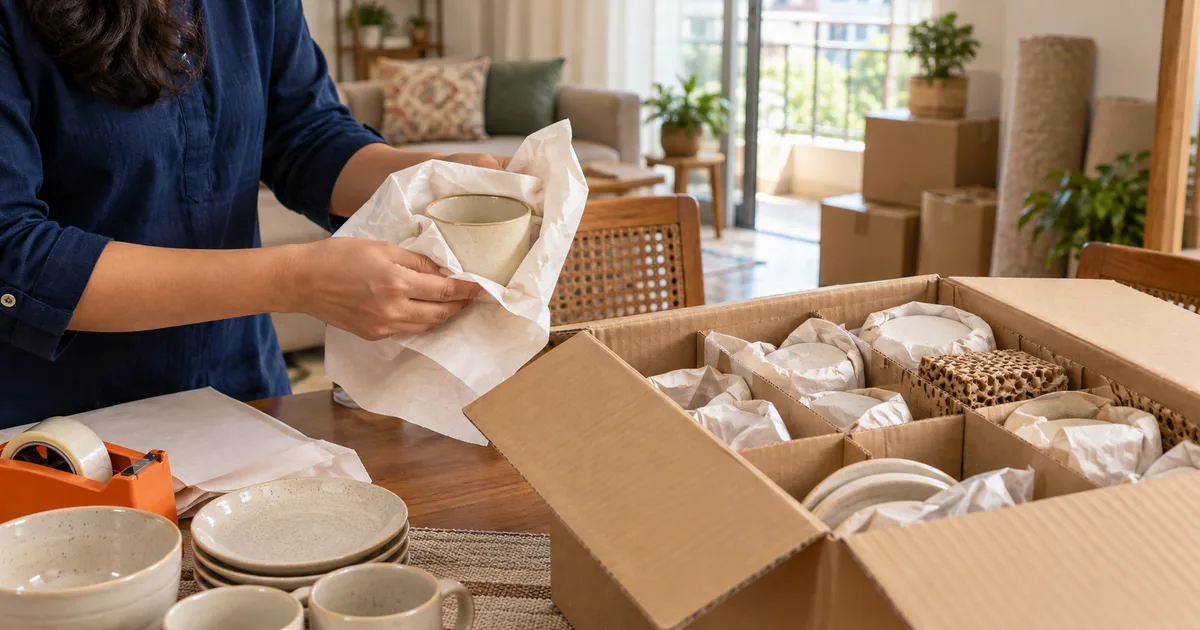
Packing room by room makes it easier to keep an inventory and find essentials after delivery. Separate heavy and fragile items, choose suitable cartons and label them for the rooms in the new home. If a moving crew is packing, agree the materials, items and unpacking work in the written scope.
Start with the rooms you use least
Pack spare-room belongings, books and seasonal items before daily-use kitchenware and bedding. Keep a small personal bag available throughout the move with documents, medicines, keys, chargers and clothes for the first days.
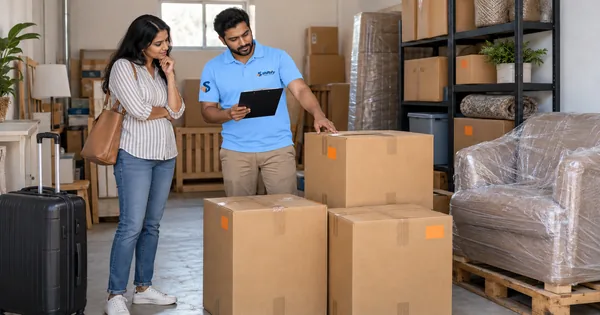
If you are comparing house-shifting services, tell each provider which items you will pack yourself. Ask how self-packed goods are treated under the moving contract and any available insurance; do not assume the responsibility is identical for every arrangement.
Match the carton to the contents
Use clean, dry cartons suitable for the weight and type of items. Put dense items such as books into smaller cartons and avoid exceeding the carton’s stated capacity. Leave space for protective material where it is needed, and close the box without forcing it out of shape.
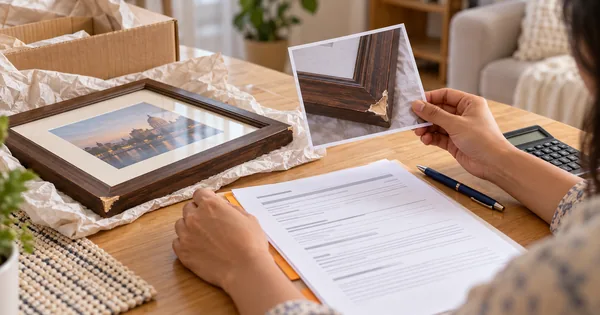
Keep delicate goods separate from heavy equipment. Wrap fragile items individually using appropriate clean packing material and fill gaps to limit movement. A “fragile” label helps identify the carton but does not replace protection inside it.
Prepare appliances using their own instructions
Check each appliance manual for draining, drying, transport and restart requirements. Different fridges, washing machines and other appliances can need different preparation; there is no universal unplugging time that suits every model.
Agree who handles disconnection and reinstallation. Keep transport bolts, hoses and fittings labelled and explain any missing parts before collection. Arrange a qualified technician where the work calls for one rather than assuming it is included in general moving labour.
Protect electronics and furniture deliberately
Back up important data and decide which devices will travel with you. Original protective packaging can be useful if it is intact and suitable; otherwise ask the packing team for a method appropriate to the device. Avoid placing pressure or adhesive directly on screens and finished surfaces.
Empty furniture drawers unless the team has specifically assessed another method. Remove and pack loose glass shelves appropriately. Agree dismantling for large furniture and keep hardware in labelled bags with a record of the matching item. Do not apply tape directly to finishes that could be damaged.
Label for the new home
Write a carton number, destination room and brief contents description. Mark handling information where relevant. Keep one inventory that connects those numbers to the items so the receiver can count and place goods without opening every box.
Identify a few first-use cartons containing bedding, basic kitchenware and toiletries. Tell the crew which they are, but keep essentials you cannot be without in your own luggage.
Check the packing scope before moving day
Confirm who supplies materials, packs each category, dismantles furniture and removes packing waste. List specialist items separately and do not add hazardous or restricted goods without explicit acceptance.
Use our apartment preparation checklist to check the route between the front door and vehicle. Request a quote with your inventory and packing requirements when you are ready.